
What Is Bitcoin, Really?
The first truly scarce form of money

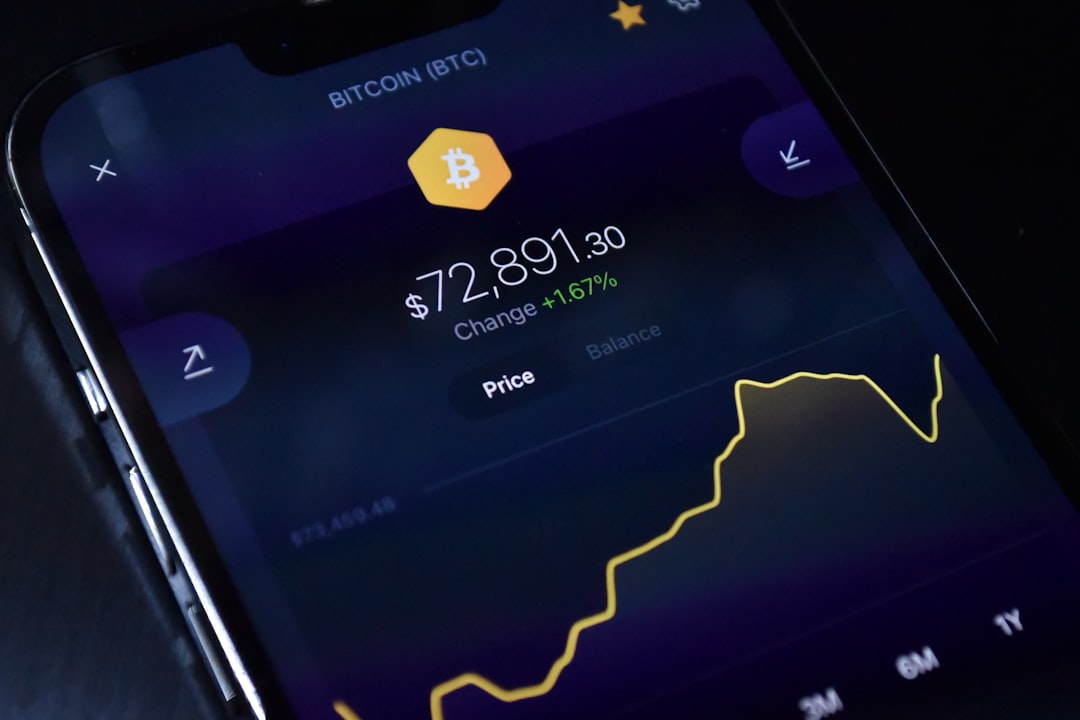
Bitcoin is the first perfectly scarce form of money invented by humanity and that is why it matters. Because it is decentralized and independent from governments, it has no owner, cannot be manipulated and will always have a fixed supply of 21 million units. That makes it scarce by design and useful as a tool to measure and exchange value.
For more than 16 years, Bitcoin has proven its security and resilience, with ownership secured by cryptography. Over this period, it has grown from a small experiment into a global network that people and institutions increasingly use and recognize. Its value is not just in the price, but in the fact that a monetary system with these properties has continued to operate reliably without central control.
Bitcoin addresses a very old problem: throughout history, every form of money, from salt to today’s government-issued currencies, could be inflated or manipulated by those in power. By limiting its supply and enforcing the rules with open software and global consensus, Bitcoin offers a different model, one where productivity gains from human talent and technology cannot be quietly extracted from the people by those who create money.
Because of these traits, many view Bitcoin as the future backbone of the monetary system. It is steadily establishing itself as the first true free market. To ignore it is to overlook one of the most significant economic and technological achievements of our time.
If this gave you clarity, subscribe and share with one person who’s still curious.
Read next:
